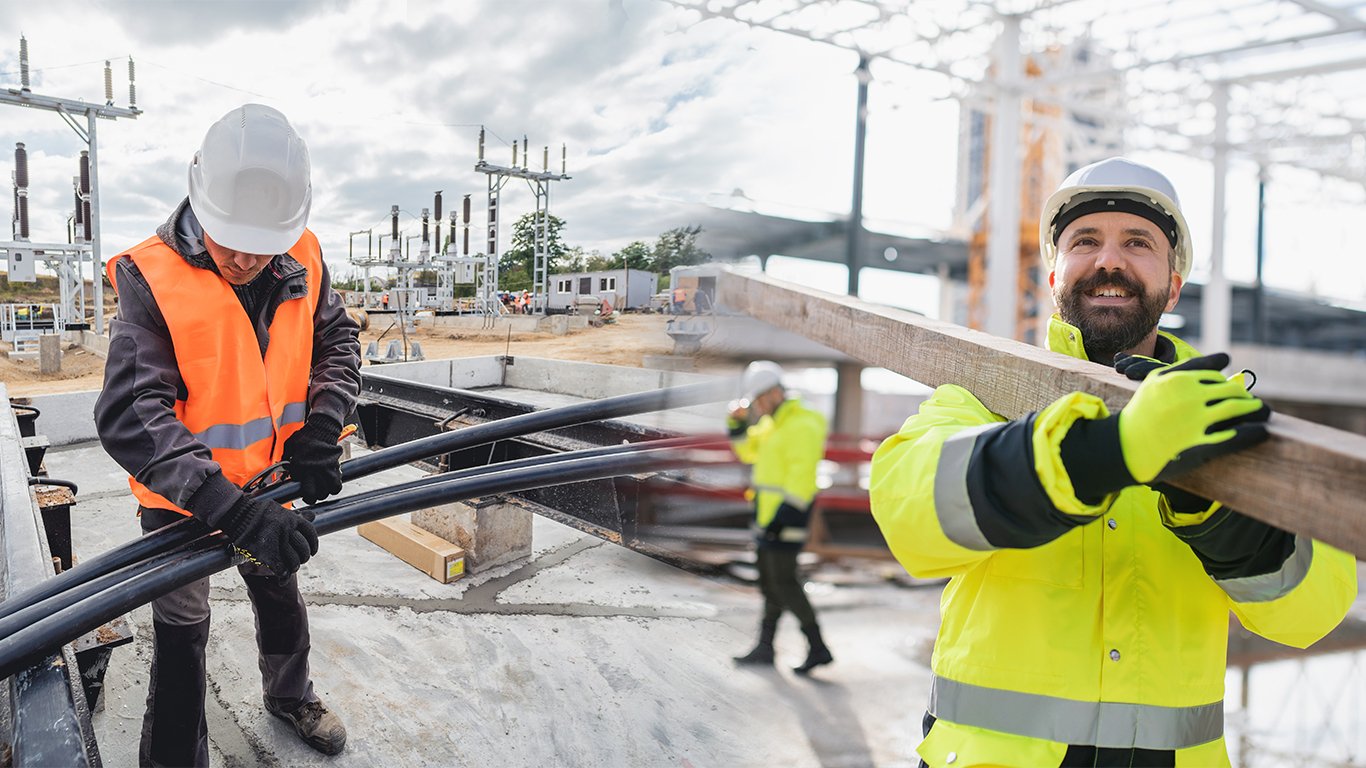
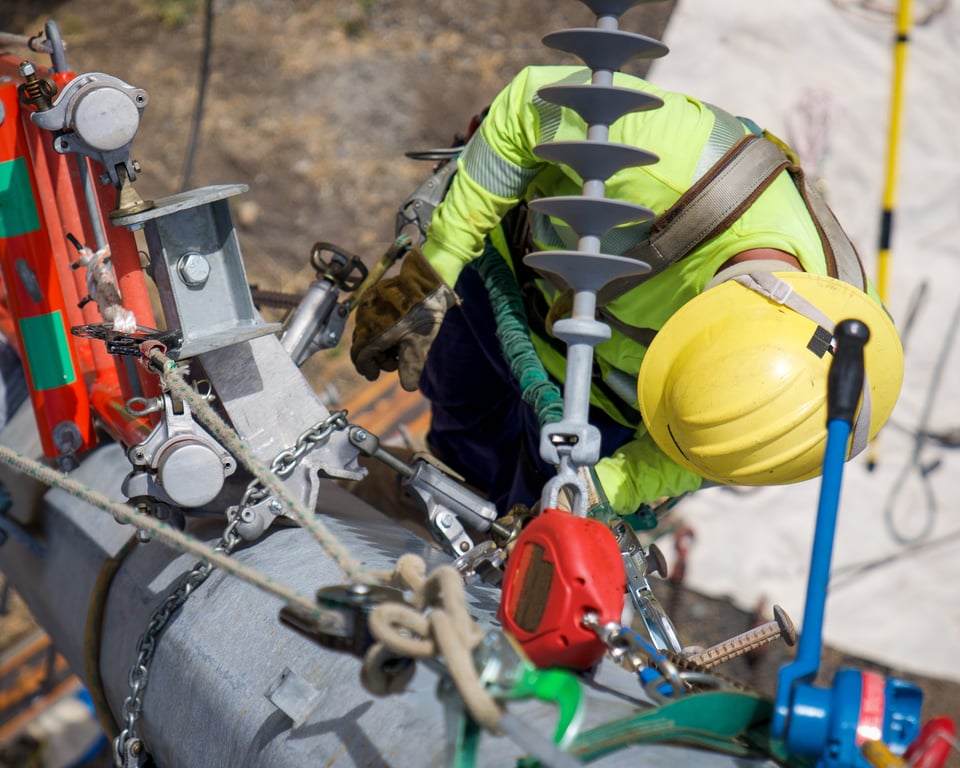
High-visibility FR clothing is critical in utility environments because it improves worker visibility while protecting against electrical hazards. While ANSI 107 defines compliance requirements, effective PPE clothing must also be comfortable, durable, and suitable for real working conditions to ensure it is worn correctly and consistently. Understanding how these factors work together helps ensure the right protective clothing is selected for utility environments—supporting visibility, protection, comfort, and consistent use in daily operations.
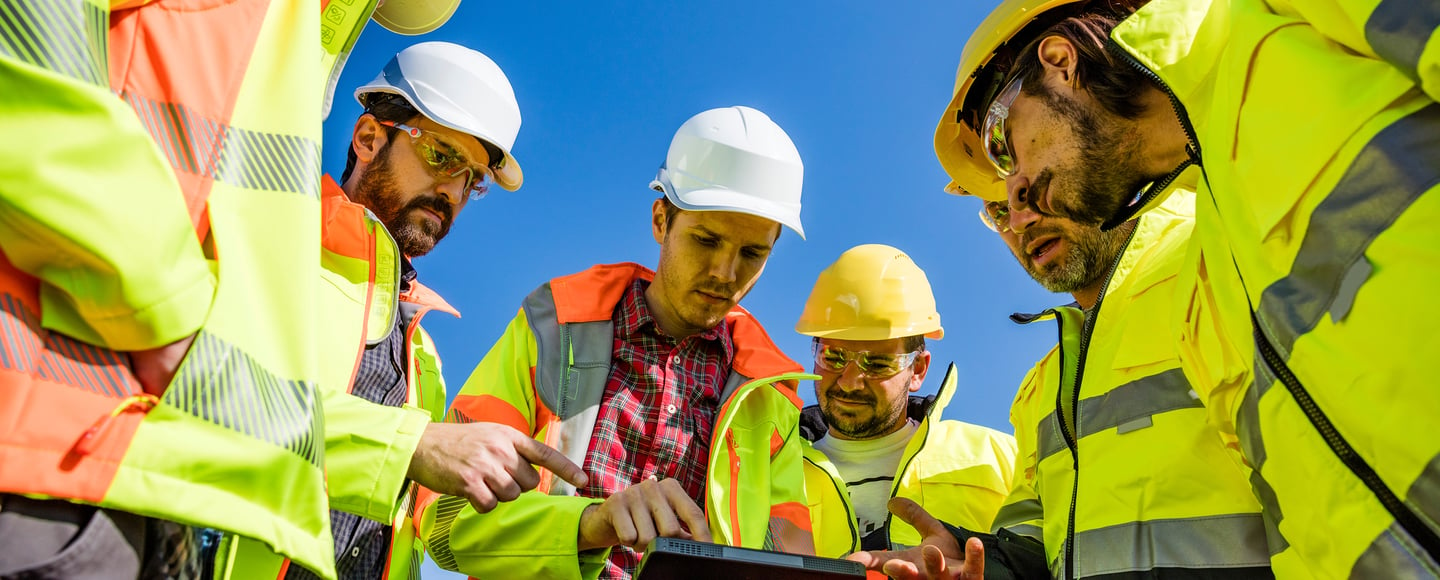
In utility environments, workers operate in conditions where visibility is critical to safety—whether along active roadways, near heavy equipment, or in low-light conditions.
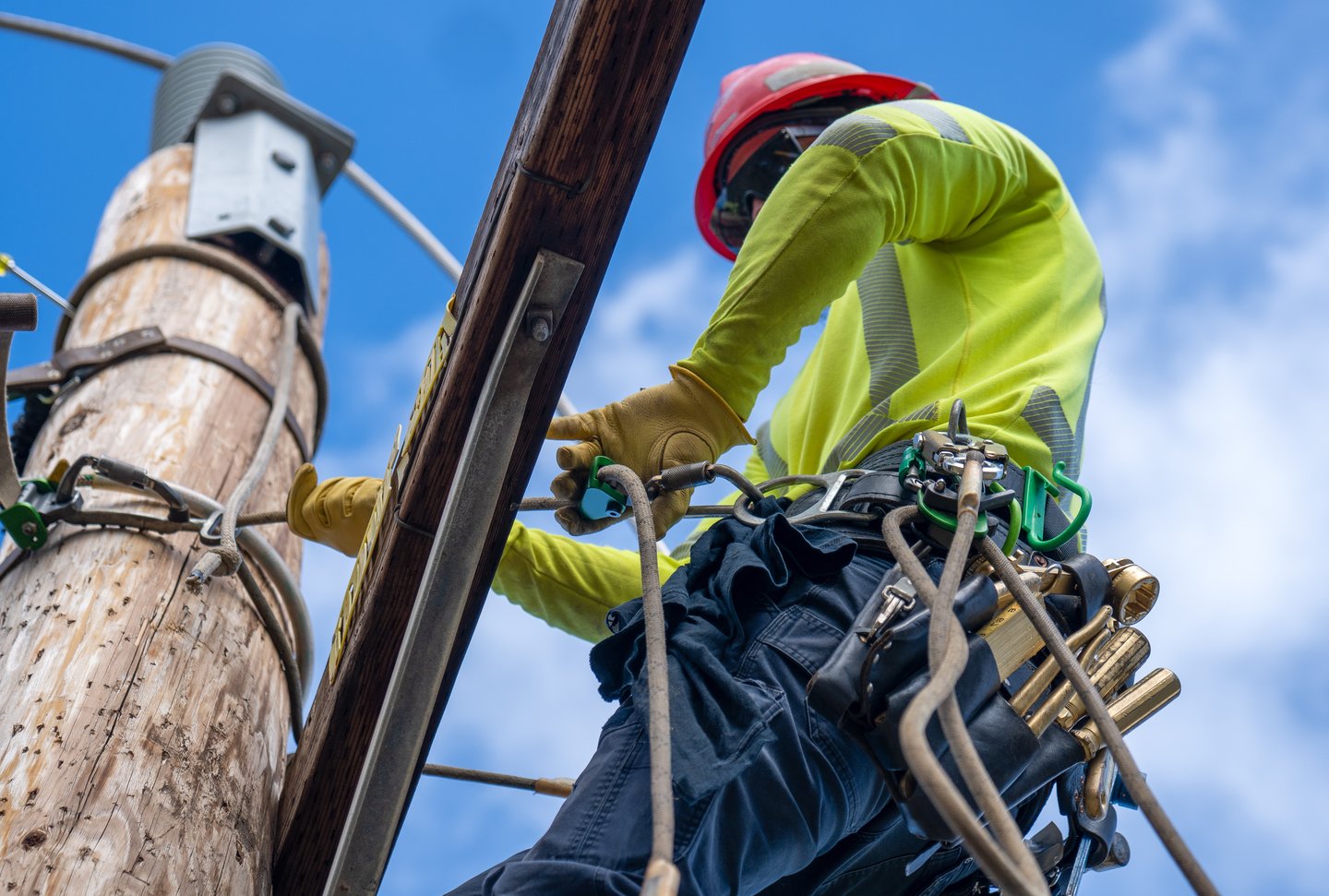
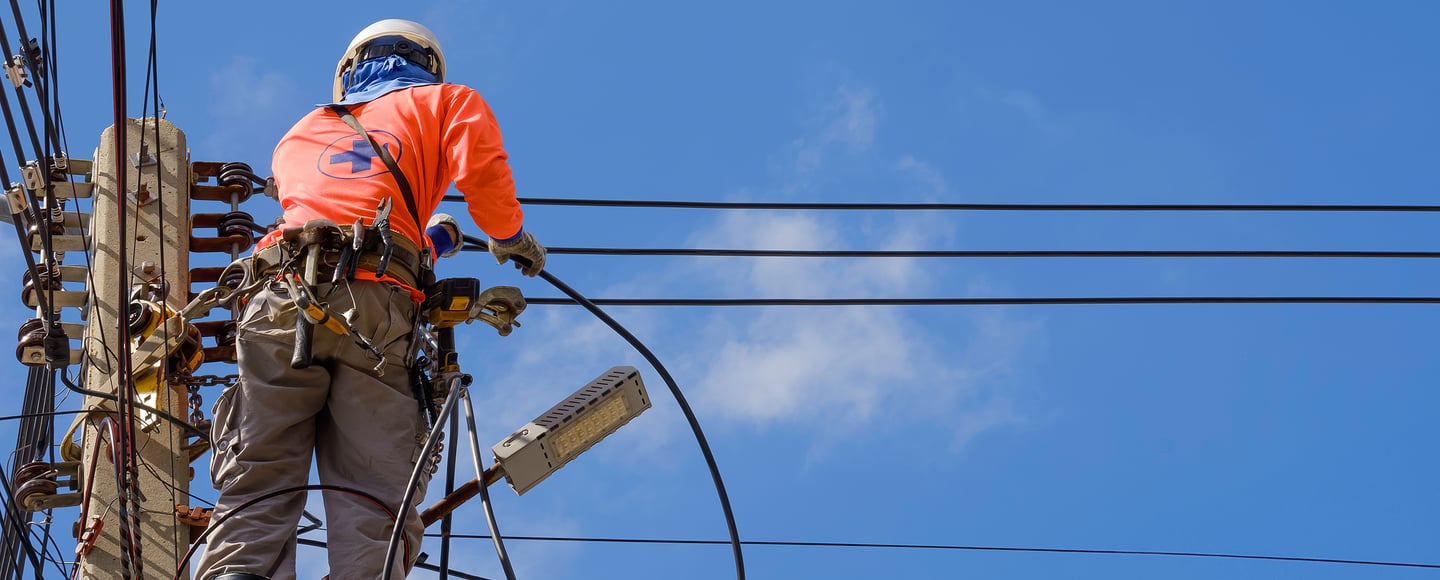
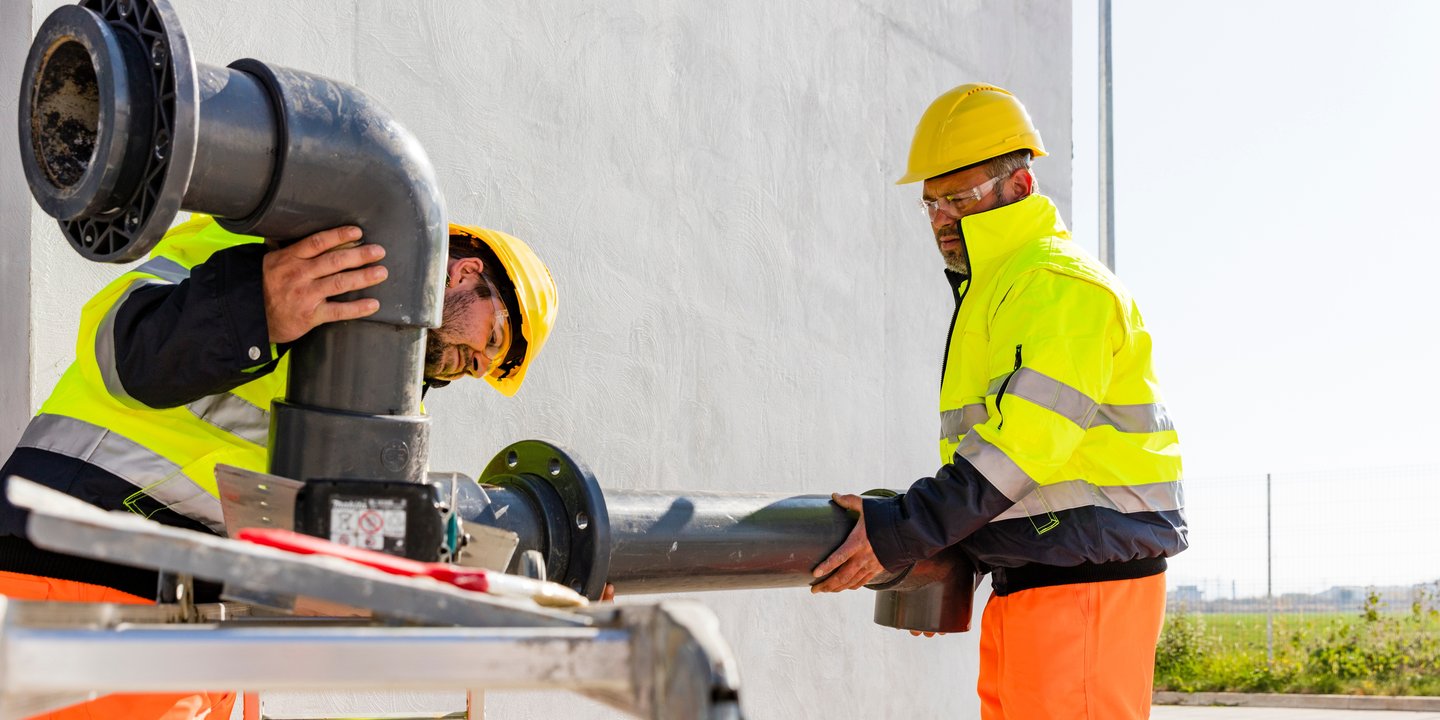
For example, linemen working on overhead power lines or roadside infrastructure are constantly exposed to moving traffic, changing light conditions, and complex surroundings where being clearly seen can prevent serious incidents.
Struck-by incidents remain one of the leading causes of serious injury in utility work. Being clearly visible helps prevent these incidents by allowing others to anticipate a worker’s position and movement.
High-visibility flame-resistant (FR) clothing plays a key role in reducing these risks—while also protecting against electrical hazards.
Explore how visibility impacts safety in utilities: Why high-visibility FR clothing is essential for linemen in utilities.
In this video, our PPE expert, Kyle Ford, shares key insights into why visibility is essential for linemen and utility workers, and how the latest innovations enhance safety, comfort, and long-term performance.
ANSI/ISEA 107 is the Safety Standard that defines the requirements for high-visibility clothing in the United States, including garment design, visibility levels, and performance classes.
For utility work, understanding these standards is essential—but compliance alone is not enough. PPE must also perform in real working conditions.
Key elements of ANSI 107 include:
However, ANSI does not account for:
Learn more about the ANSI 107 Safety Standard for utilities
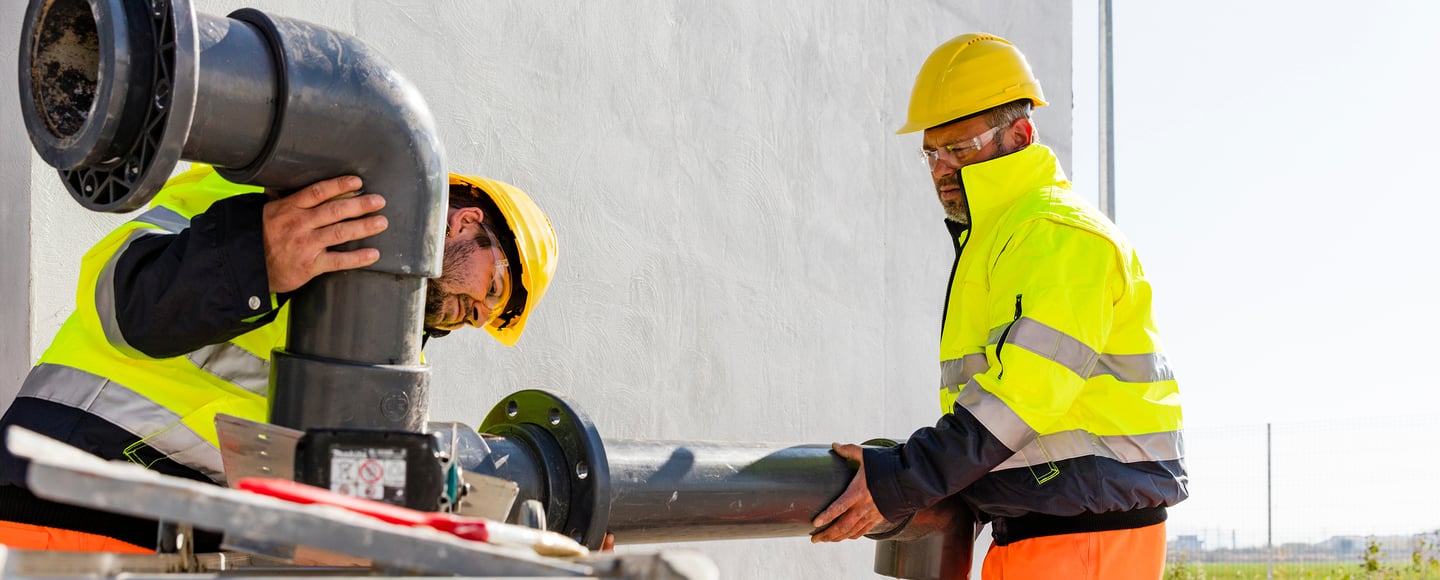
Even the most compliant PPE clothing is only effective if it is worn correctly and consistently. Comfort, breathability, and flexibility all influence whether workers wear their garments properly throughout the day.
Modern high-visibility FR clothing is designed to improve wearability by reducing weight, improving airflow, and simplifying layering. Material choice plays a key role in this.
Understand how fabric impacts comfort and performance: Knits vs twills explained
High-visibility FR clothing must withstand demanding utility environments, including abrasion, weather exposure, and repeated laundering. When garments degrade, both visibility and flame-resistant protection can be compromised.
Durability is therefore not just a cost factor—it is a safety factor. Better durable garments:
Learn how durability affects PPE clothing performance: Why durable high-visibility FR clothing matters
High-visibility clothing has changed significantly over time. In this short video, our expert Kyle Ford explains how innovations in fabrics and changing wearer expectations are shaping modern high-visibility clothing solutions in utility environments.
Traditionally, high-visibility has been achieved by wearing vests over protective clothing. However, this approach can introduce challenges such as heat stress, reduced comfort, and inconsistent use.
Recent innovations now allow visibility and flame resistance to be combined in a single garment.
One-layer high-visibility FR solutions:
Why high-visibility vests are being replaced
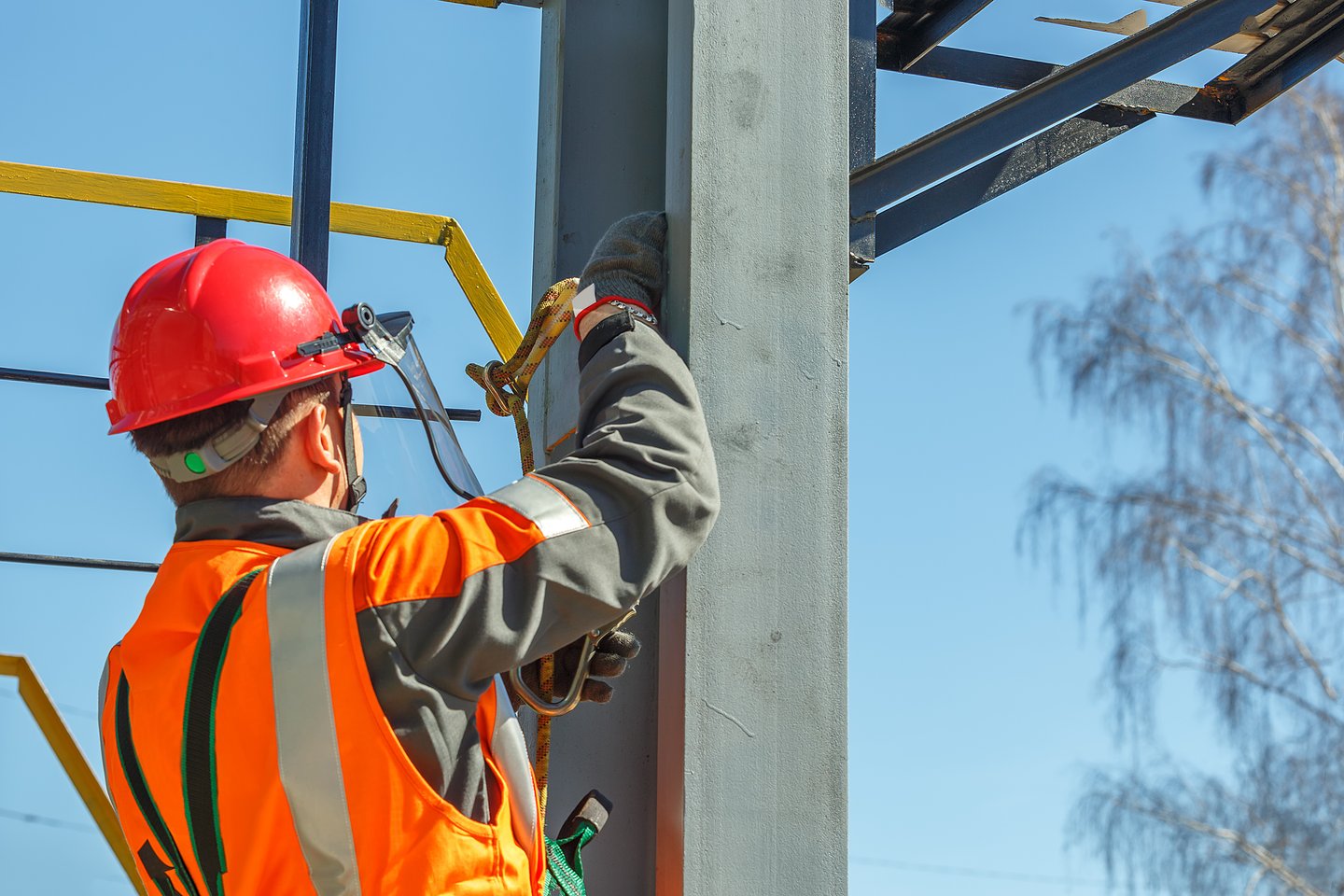
Selecting the right PPE clothing for utility environments requires balancing several factors:
The most effective solutions are those that workers will wear consistently—while maintaining protection over time.
Improving safety outcomes in utility environments requires more than meeting minimum requirements. It requires selecting PPE that works in real-world conditions and supports consistent use.
Modern high-visibility FR solutions are designed to:
Looking to improve visibility, compliance, and performance in your PPE clothing program?
ANSI/ISEA 107 is the Safety Standard that defines the requirements for high-visibility clothing in the U.S., including visibility levels, garment design, and performance classes. In utility work, it helps ensure workers are visible in hazardous environments such as roadside or low-light conditions.
Yes. Utility workers are often exposed to electrical hazards, which require flame-resistant (FR) protection. Combining FR and high-visibility in one garment ensures both visibility and protection are maintained at all times.
Class 2 garments provide moderate visibility and are typically used in roadside work. Class 3 garments offer the highest level of visibility, with more reflective material and coverage, making them suitable for high-risk environments.
Comfort directly impacts whether PPE is worn correctly and consistently. If garments are too heavy, hot, or restrictive, workers are less likely to wear them properly, which reduces overall safety.
Durability ensures that garments maintain their protective properties over time. Worn or damaged garments may no longer meet safety standards, increasing risk and requiring more frequent replacement.
Not always. While vests meet visibility requirements, they can add heat, restrict movement, and reduce compliance. One-layer high-visibility FR garments offer a more integrated solution that improves comfort and simplifies PPE clothing programs.
Stay up to date on the latest innovations in protective fabrics.
6501 Mall Blvd
Union City, GA 30291
(770)969-1000
© 2025 TenCate Protective Fabrics